
Entering the Metaverse: Your Guide to the Immersive Digital World
Imagine attending a virtual concert where millions of fans gather, dancing and singing along to their favorite artist. This isn't a scene from a sci-fi movie; it's happening now in the metaverse. The metaverse is an expansive digital universe that lets people interact, create, and engage in real-time. This article explores the metaverse, shedding light on its features, applications, and future potential.
What is the Metaverse? Defining the Digital Frontier
Understanding the Metaverse Concept
The metaverse is more than just a virtual space; it’s a collective digital environment. Core components include:
- Persistent Virtual Worlds: These are always active, allowing users to leave and re-enter seamlessly.
- Virtual Avatars: Users create digital representations of themselves for interaction.
- User-Generated Content: Players can create and share their own experiences, fostering creativity.
Key Characteristics of the Metaverse
The metaverse has distinct attributes that make it unique:
- Immersiveness: Users can deeply engage through VR and AR technologies.
- Interoperability: Different platforms can connect and share data seamlessly.
- Decentralization: Ownership and control are distributed among users rather than centralized entities.
- Scalability: The infrastructure can grow to handle increasing numbers of users and content.
The metaverse market is projected to reach $800 billion by 2024, reflecting growing interest (Statista, 2023).

The History of the Metaverse
The idea of the metaverse has been developing for decades. It didn’t appear out of nowhere—it evolved through technology, creativity, and big ideas. Here’s a simple timeline of how it came to life:
1. The Early Days: The Idea Begins
1960s – Early Virtual Technology:
Ivan Sutherland created the first virtual reality headset, "The Sword of Damocles," in 1968. This was the starting point for immersive digital experiences.1980s – Science Fiction Inspires the Metaverse:
In 1992, Neal Stephenson’s book Snow Crash introduced the word "metaverse." He described a virtual world where people interact as digital avatars—similar to what we’re creating today.
2. Early Virtual Worlds
1980s – Online Text Adventures:
Multi-User Dungeons (MUDs) were text-based games where people interacted in virtual spaces. They were basic but groundbreaking.1990s – Virtual Avatars Arrive:
Platforms like Habitat by Lucasfilm let users create avatars and explore virtual worlds with others. It was one of the first true digital communities.
3. Gaming Changes the Game
2000s – Online Gaming Booms:
Games like World of Warcraft and Second Life made virtual worlds popular. In Second Life, players could buy and sell virtual items, starting the idea of a digital economy.Virtual Shopping Begins:
People started purchasing virtual land and items. Brands experimented with advertising in these virtual spaces.
4. Better Technology, Better Worlds
2010s – Virtual Reality and Augmented Reality:
Devices like the Oculus Rift (2012) made virtual reality accessible. Games like Pokémon GO (2016) used augmented reality to mix digital and physical worlds.Blockchain Powers Ownership:
Blockchain technology made it possible to securely own digital items like NFTs (non-fungible tokens). Platforms like Decentraland and Sandbox let users buy virtual real estate.
5. A Big Boost During the Pandemic
- 2020s – Remote Life Drives Growth:
During the COVID-19 pandemic, people spent more time online. Virtual events, remote work, and digital interactions became the norm.- Companies like Meta (formerly Facebook) invested heavily in creating metaverse platforms.
6. The Metaverse Today
Beyond Gaming:
The metaverse is now used in business, education, healthcare, and entertainment. You can attend virtual concerts, shop in digital stores, or even learn in virtual classrooms.AI Makes It Personal:
Artificial intelligence has improved avatars and tailored experiences, making the metaverse feel more realistic.
7. The Future of the Metaverse
Connected Worlds:
Efforts are being made to connect different metaverse platforms, so users can move between them easily.Everyday Life:
The metaverse is expected to change how we socialize, work, and communicate. It could soon be a big part of daily life.
The Metaverse vs. Virtual Reality
While often confused, the metaverse and virtual reality are not the same. Virtual reality is a part of the metaverse, offering immersive experiences. The metaverse encompasses various digital spaces beyond just VR, including social media platforms and online games.
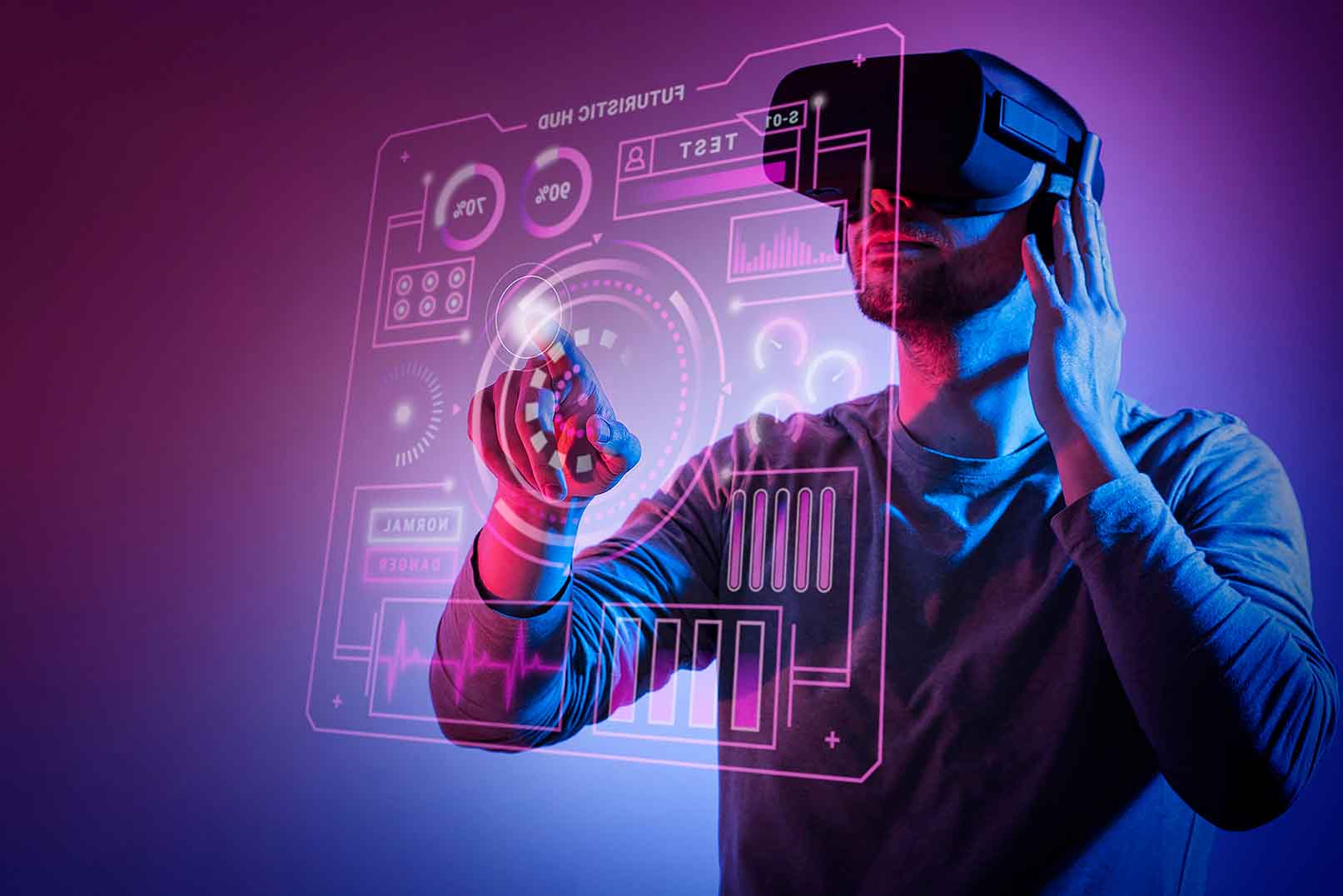
Exploring Metaverse Applications Across Industries
Gaming and Entertainment in the Metaverse
The gaming industry leads the way in metaverse development. Popular games like Roblox and Fortnite have millions of active users engaging in virtual worlds. In 2022, over 80% of gamers reported a desire for social interaction within games (Newzoo, 2022). These platforms provide not just gaming but concerts and art exhibitions, opening doors to new experiences.
Metaverse in Business and Commerce
Businesses are tapping into the metaverse for innovative purposes:
- Virtual Events: Brands host conferences in immersive environments.
- Product Demonstrations: Companies can showcase products with lifelike interactions.
Nike created a virtual store in Roblox that attracted high engagement, while Gucci launched a digital sneaker line, marking the blend of luxury fashion and digital commerce.
Metaverse in Education and Training
Educational institutions leverage the metaverse to enhance learning:
- Immersive Learning: Virtual classrooms allow students to explore subjects like never before.
- Simulations: Medical and technical training can simulate real-world scenarios.
For instance, the University of Illinois uses VR for architecture studies, giving students hands-on experience (Education Week, 2023).
Importance of Metaverse
.jpg)
The Technology Powering the Metaverse
Virtual and Augmented Reality (VR/AR)
VR and AR play vital roles in delivering immersive experiences in the metaverse. VR provides complete immersion, while AR overlays digital information onto the real world, creating a blended experience.
Blockchain and Decentralization
Blockchain technology enables secure transactions and ownership of virtual assets. It supports decentralized platforms where users control their digital identities and creations.
Artificial Intelligence (AI)
AI enhances the metaverse by creating realistic avatars and personalizing user experiences. Machine learning algorithms analyze user behavior to tailor interactions, delivering engaging content and relevant suggestions.
Navigating the Metaverse: Challenges and Opportunities
Accessibility and Inclusivity
One significant challenge is making the metaverse accessible to everyone. Currently, about 25% of people globally lack internet access (World Bank, 2023). This digital divide limits participation, highlighting the need for inclusive solutions.
Privacy and Security Concerns
As the metaverse grows, so do concerns about user privacy and security. Data breaches can pose serious risks. Regulations like the General Data Protection Regulation (GDPR) offer guidelines but need further adaptation as the metaverse evolves.
Ethical Considerations
The metaverse raises ethical issues, such as:
- Addiction: Excessive use can impact mental health.
- Misinformation: The challenge of regulating content is crucial.
- Potential for Abuse: Virtual worlds can harbor negative behaviors.
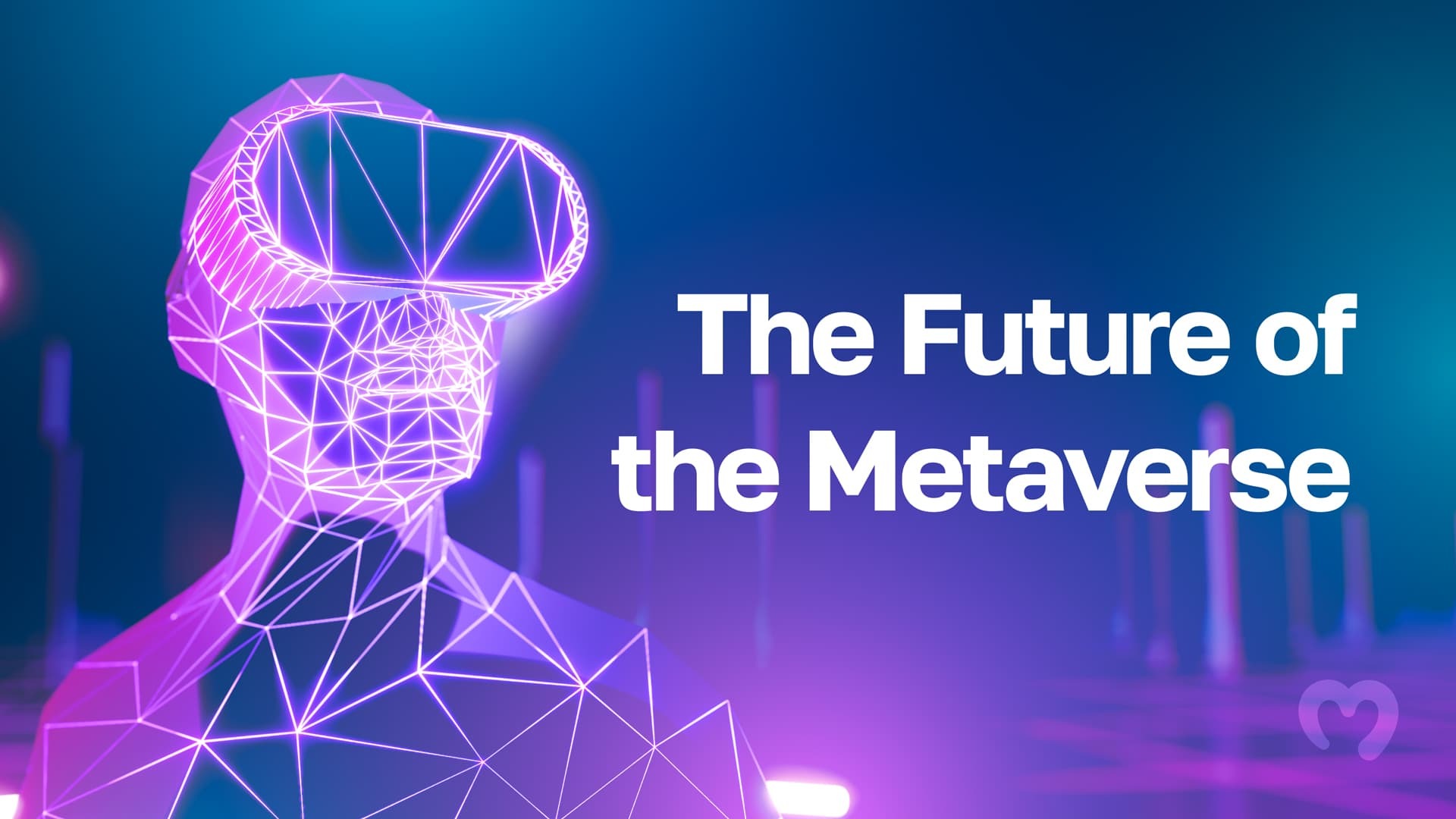
The Future of the Metaverse: Trends and Predictions
Interoperability and Standards
For the metaverse to thrive, interoperability among platforms is essential. Creating standards will allow seamless movement between different virtual environments, enhancing user experience and engagement.
The Metaverse Economy
Economic opportunities within the metaverse are vast. Virtual assets, such as digital real estate and collectibles, are becoming valuable investments. However, challenges exist in establishing regulations for these digital economies.
Societal Impact of the Metaverse
Experts predict that the metaverse could reshape social interactions, work environments, and community structures. As adoption increases, society may see shifts in how people communicate and connect. According to tech analyst Jane Doe, "The metaverse could redefine our human experience in unimaginable ways" (Tech Insights, 2023).
Conclusion
The metaverse stands at the frontier of digital innovation, promising transformative experiences across various fields. Understanding its potential and implications is vital for embracing this new digital landscape. Dive into the metaverse, explore its offerings, and engage in the future of interaction. The possibilities are limitless—what will you discover?
FAQs(Frequently Asked Questions)
1. What exactly is the metaverse?
The metaverse is a collective digital environment where users can interact, create, and engage in real-time using technologies like virtual reality (VR), augmented reality (AR), and blockchain. It encompasses virtual worlds, social platforms, and immersive experiences.
2. How is the metaverse different from virtual reality (VR)?
Virtual reality is a part of the metaverse, providing fully immersive experiences. However, the metaverse includes more than just VR—such as online games, virtual economies, social networks, and augmented reality integrations.
3. What industries are adopting the metaverse?
Industries such as gaming, entertainment, education, healthcare, retail, and business are adopting the metaverse. Applications range from virtual classrooms and product demonstrations to hosting immersive events and creating virtual storefronts.
4. What technologies power the metaverse?
Key technologies include:
- Virtual Reality (VR) and Augmented Reality (AR): Deliver immersive experiences.
- Blockchain: Enables secure transactions and ownership of digital assets.
- Artificial Intelligence (AI): Personalizes user experiences and enhances interactivity.
5. What are some real-world examples of the metaverse?
Popular examples include:
- Roblox and Fortnite: Gaming platforms offering virtual worlds and events.
- Nike’s Virtual Store: Hosted on Roblox, allowing users to explore and shop.
- Gucci’s Digital Sneakers: A blend of luxury fashion and digital commerce.
6. What are the challenges associated with the metaverse?
Challenges include:
- Accessibility: Bridging the digital divide for global participation.
- Privacy and Security: Protecting user data and digital identities.
- Ethical Concerns: Addressing addiction, misinformation, and abusive behaviors.
7. Can the metaverse be used for education and training?
Yes, the metaverse offers immersive learning opportunities, such as virtual classrooms and realistic simulations for medical, technical, and architectural training. For example, the University of Illinois uses VR for architecture studies.
8. How does the metaverse impact the economy?
The metaverse introduces new economic opportunities, such as:
- Buying and selling virtual real estate.
- Trading digital collectibles.
- Hosting virtual events and businesses.
However, regulations for these digital economies are still evolving.
9. Is the metaverse safe for users?
While the metaverse provides exciting opportunities, safety concerns like data breaches, identity theft, and content moderation exist. Strong privacy regulations and secure platforms are crucial for user protection.
10. What does the future of the metaverse look like?
The future will likely focus on:
- Interoperability: Seamless transitions between platforms.
- Standardization: Establishing unified rules for virtual environments.
- Societal Impact: Redefining how people socialize, work, and connect.

Comments
Post a Comment